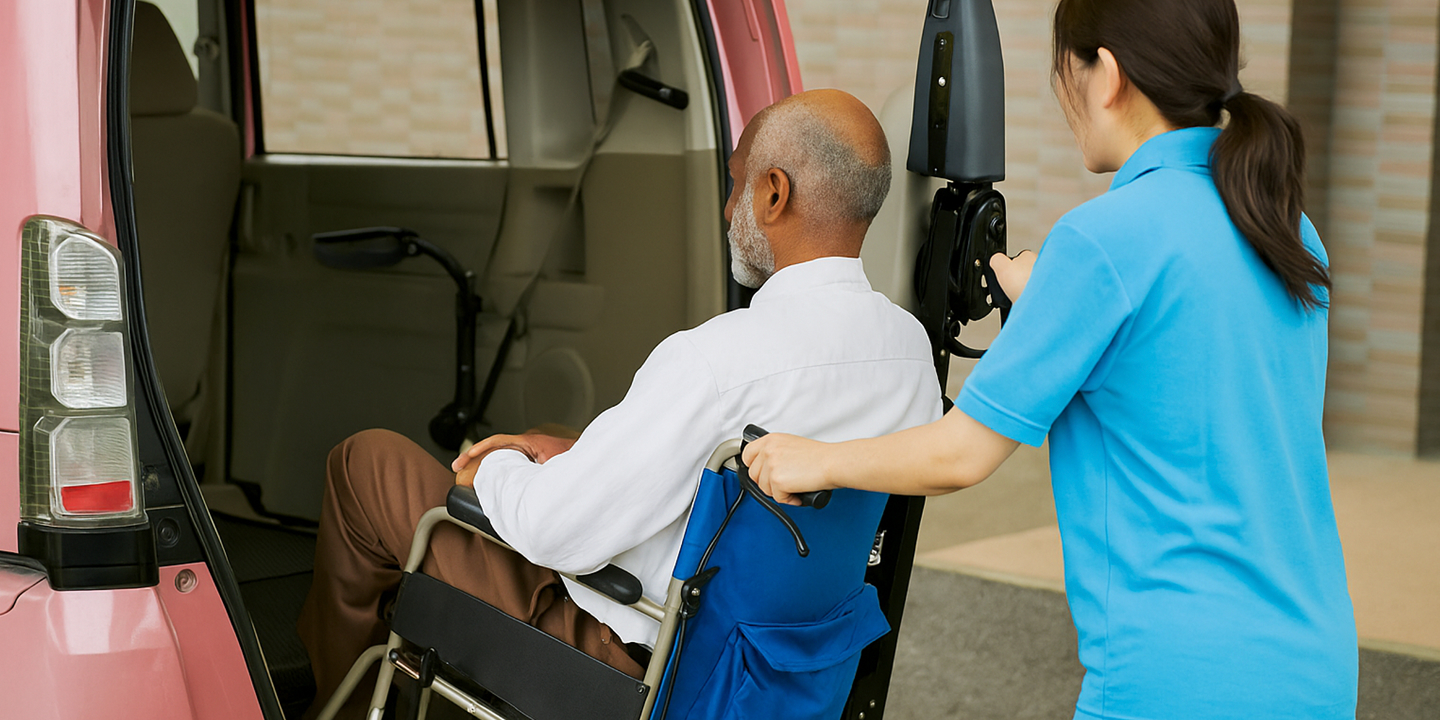
Independence is something we all value—but getting from place to place safely and comfortably becomes more challenging with age or changing health needs. For many seniors and individuals with mobility issues, recognizing when to transition to assisted transportation can make a huge difference in their quality of life. If you’re unsure whether now is the right time, here are five key signs that suggest it might be.
1. Missed Appointments or Canceled Plans
When getting to the doctor, grocery store, or even social events becomes a burden, it often leads to no-shows or last-minute cancellations. Reliable rides help maintain routines and connection without stress.

2. Increased Dependence on Family or Friends
While loved ones are often willing to help, frequent reliance on others can create scheduling challenges and emotional strain for everyone involved. Assisted rides allow families to support without feeling overwhelmed.

3. Trouble with Driving or Navigating Public Transit
Whether it's difficulty seeing street signs, reacting to traffic, or managing transfers and long waits, these struggles can compromise safety and confidence. An assisted ride offers a secure, door-to-door solution.

4. Mobility Challenges or Use of Equipment
If a cane, walker, wheelchair, or other mobility aid is now part of daily life, standard transportation may no longer meet your needs. Assisted rides are designed with proper equipment and trained drivers to help.

5. Signs of Isolation or Reduced Social Engagement
When someone stops attending church, visiting friends, or running small errands, it might not be lack of interest—it may simply be lack of access. Transportation can reignite independence and encourage reengagement.

Assisted Doesn’t Mean Dependent—It Means Empowered
Choosing an assisted ride service like Unified isn’t about losing independence—it’s about gaining safety, confidence, and peace of mind. Whether it’s for you or someone you love, the right support can help keep life in motion.